Understanding Hinduism
Dive into one of the world's oldest and most diverse spiritual traditions. Hinduism is more than a religion; it's a rich tapestry of beliefs, practices, and philosophies, often described as a way of life that has evolved over millennia. Explore its core tenets and discover what makes it unique.
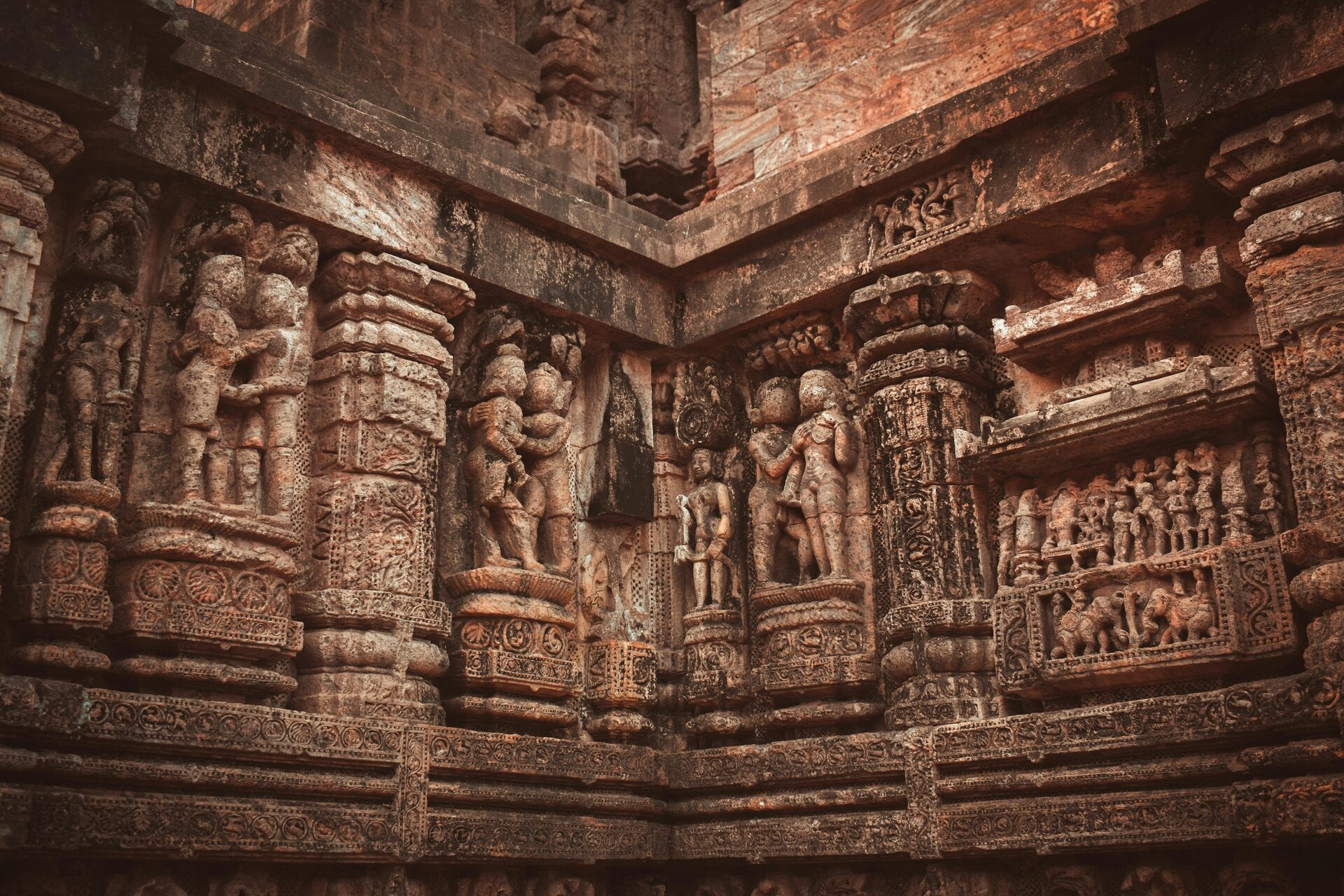
The essence of belief
Hinduism is characterized by a remarkable diversity of deities, with major figures like Brahma (the creator), Vishnu (the preserver), and Shiva (the destroyer) each embodying different aspects of the divine. A fundamental belief is the concept of Atman and Brahman: the individual soul (Atman) is believed to be ultimately identical with the universal soul (Brahman), emphasizing the interconnectedness of all existence.

Karma, dharma, and liberation
Central to Hindu thought are the principles of Karma and Reincarnation. Actions performed in this life influence future lives, with the cycle of birth, death, and rebirth (samsara) driven by karma. Dharma refers to the moral and ethical duties individuals must uphold, which are tailored to one's age, social role, and circumstances. The ultimate goal for many Hindus is Moksha – liberation from the cycle of samsara, leading to the realization of unity with Brahman.

Rituals, texts, and philosophies
Hindu practices are diverse, including daily puja (worship), meditation, and vibrant participation in numerous festivals. The tradition boasts a vast collection of sacred texts, categorized as Śruti (divinely revealed) and Smṛti (remembered). The Vedas and Upanishads are among the most revered and foundational scriptures. Various philosophical schools like Vedanta, Yoga, and Samkhya offer different interpretations and paths to spiritual understanding, showcasing Hinduism's adaptable and profound nature.